Samuel Barber’s Vanessa
“Soprano Inna Dukach was an instantly arresting Vanessa”
— The Washington Post
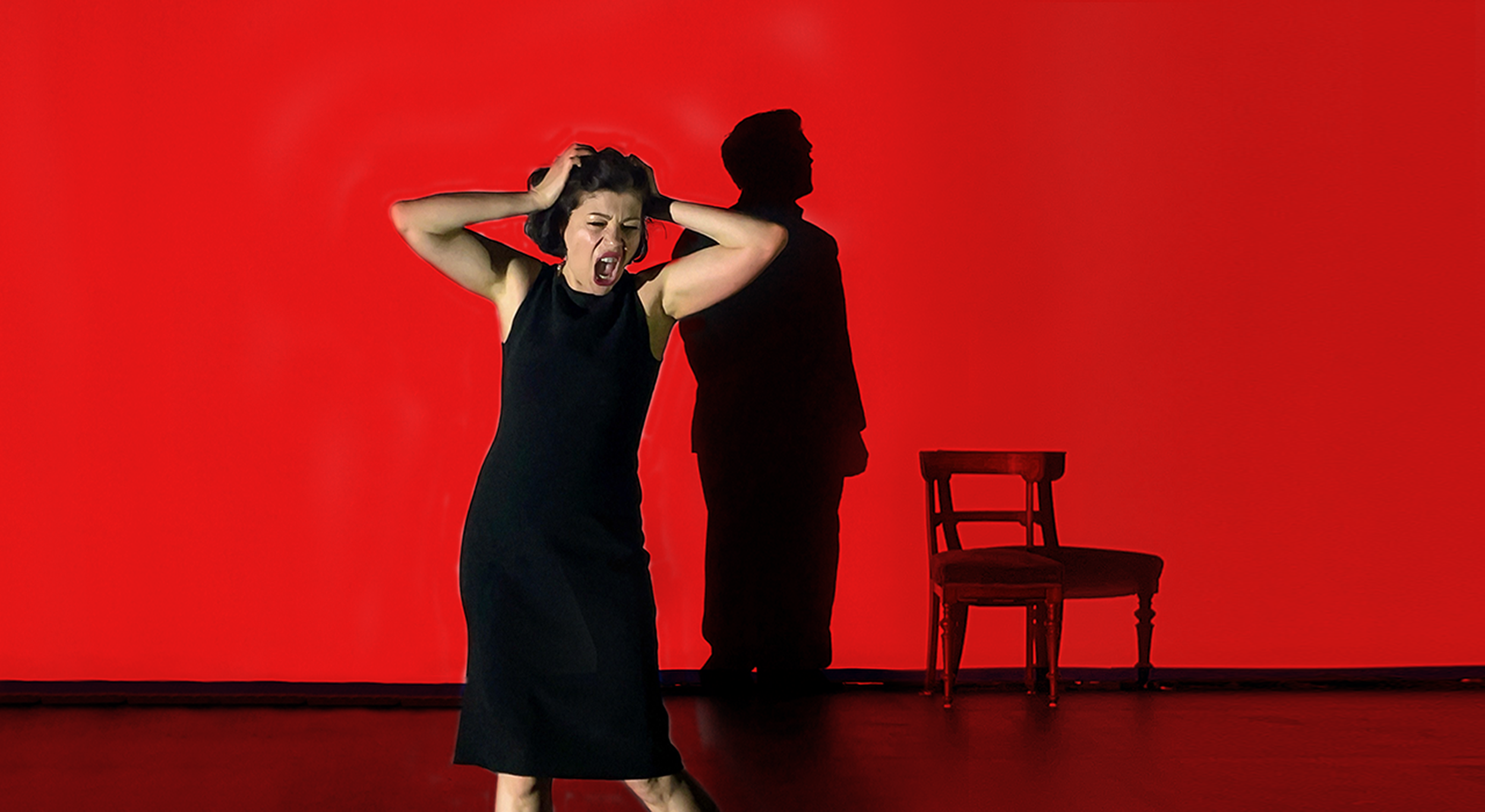
In Summer of 2025, Heartbeat Opera premiered the first opera at the famed Williamstown Theatre Festival. This stripped-down adaptation of Samuel Barber’s Vanessa is an intense, close-up encounter with one of America’s most psychologically charged operas.
Inna Dukach’s Vanessa anchors the story’s fierce longing and emotional volatility.
What Critics Say:
“Her singing was beautiful but pained… emotion was startling.”
— Albany Times Union
“Inna Dukach was a mercurial Vanessa who leaned into the high-camp, histrionic aspects of the role…(her) account of Vanessa’s opening aria, “Do not utter a word, Anatol,” was fierce and chilling.”
— Classical Voice America
“There are worries all around about the future of opera… But this Vanessa was a master class”
— The Washington Post
In my own words…
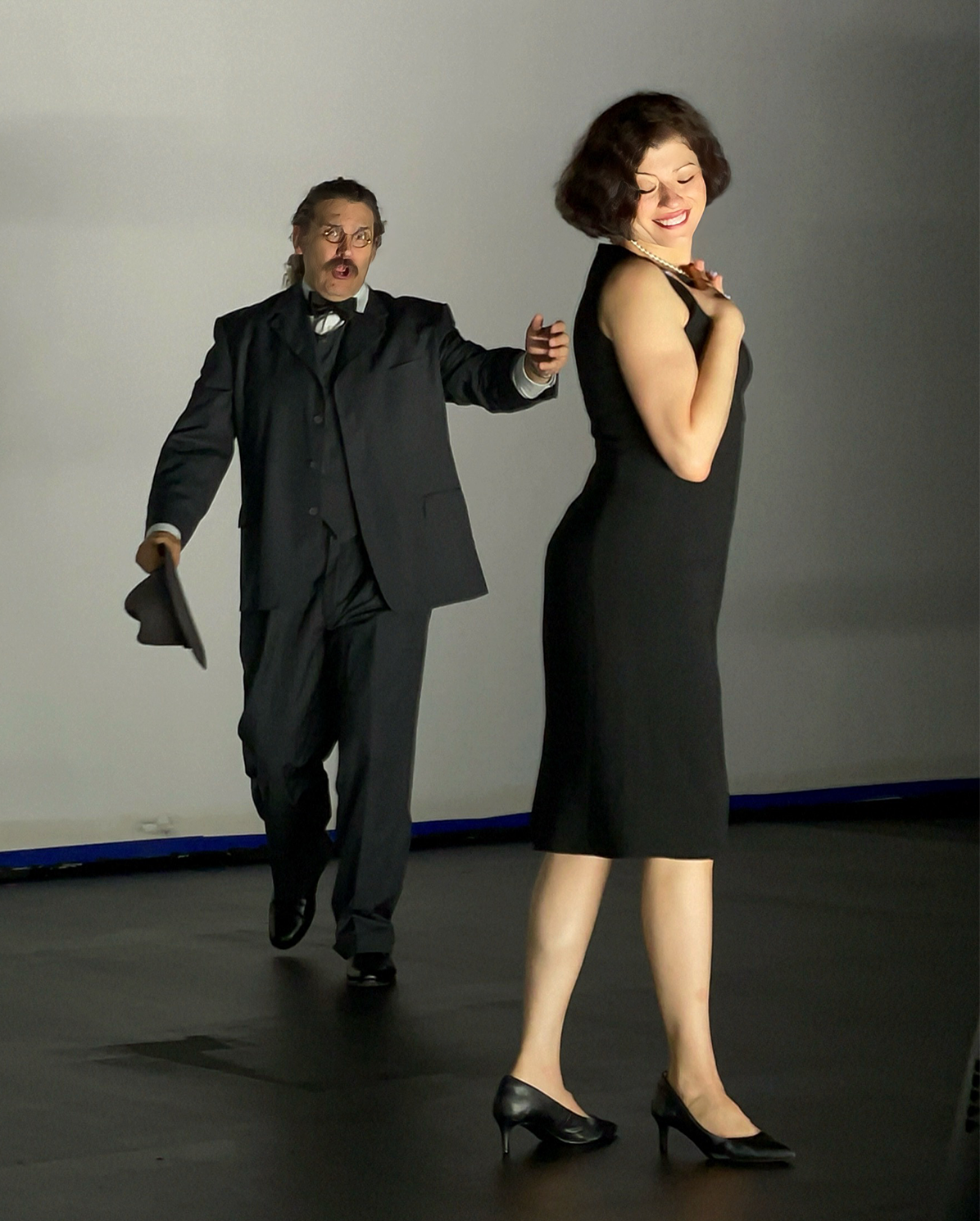
Vanessa lives in a house where time has stopped, not because the clocks are broken, but because waiting becomes a way of surviving. When I first stepped into her world, what struck me was the stillness underneath everything. She builds an entire identity around one unanswered moment.
Psychologically, Vanessa is not simply “a woman who waited.” She is someone who learned to endure by narrowing her life to a single point of hope. That hope is both comfort and compulsion. It gives her purpose, and it protects her from having to grieve what she has lost. Her longing is not passive. It is something she tends, defends, and polishes until it becomes the only story she can bear to live inside.
Barber’s music holds that contradiction with astonishing honesty. The score can feel romantic and full, and then suddenly it turns and reveals something raw. There is dread, tenderness, and a kind of beauty that hurts because it is true. The opera feels gothic to me not because of ghosts or snow, but because of the emotional architecture. There are locked rooms, unspoken history, and desire and fear sitting side by side at the table.
In performance, my goal is emotional truth rather than decoration. I keep asking: What is Vanessa trying not to feel? What does she refuse to name? Then I listen for where the voice betrays her. Even when she tries to be composed, the body knows. The sound knows. The music gives her away.
There is also something deeply modern in her. Many of us know what it is to wait for a version of life that will finally make sense. Vanessa takes that impulse to its extreme, and it becomes devastating and familiar. To sing her is to stand inside that frozen moment and let it thaw in real time, breath by breath, until the stillness breaks and something undeniable comes through.
Please, come see the show.
Inna